What's the deal with low water pressure, and can I fix it myself?
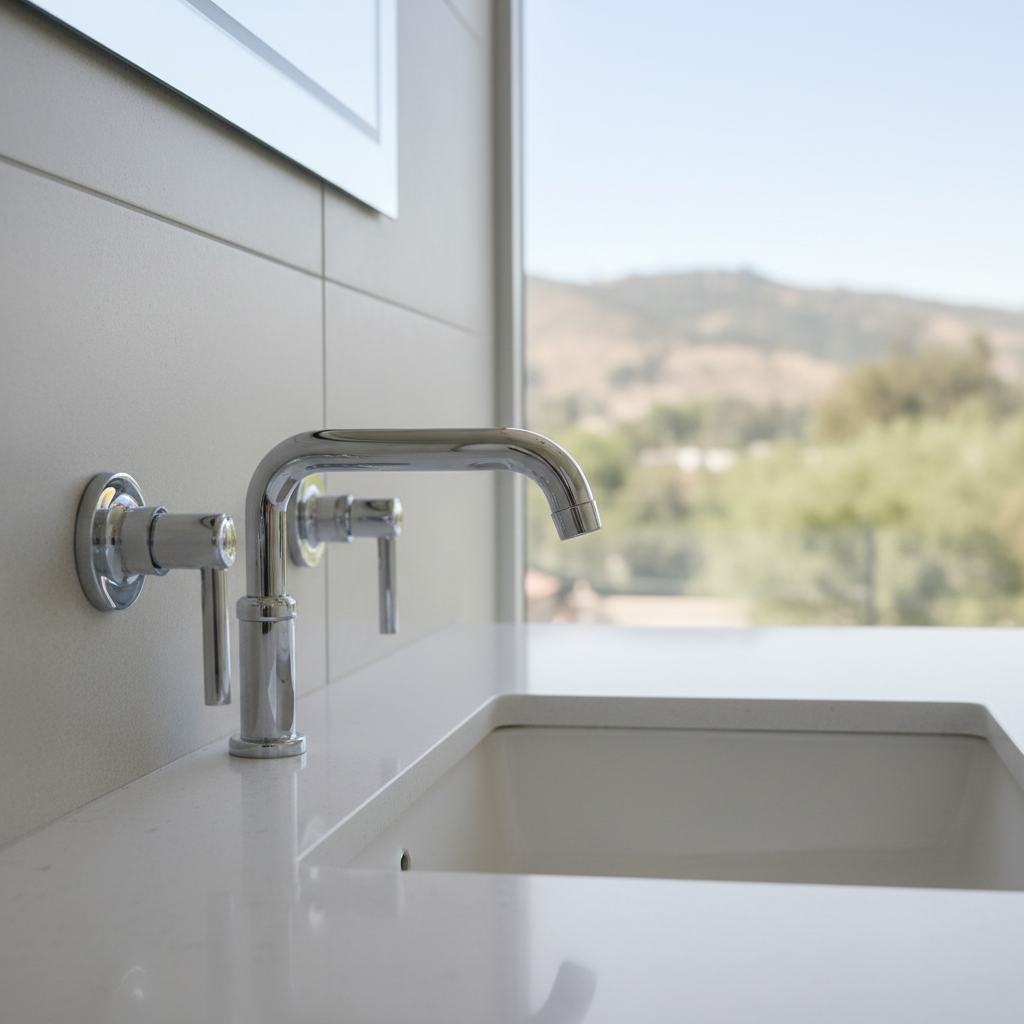
Low water pressure is a real pain, isn't it? It's one of the most common complaints I hear, especially from folks in older homes around areas like the Valley Mall neighborhood. There are a few reasons it happens. Sometimes it's something simple, like a clogged aerator on your faucet — you can usually unscrew that and clean it out yourself. Or maybe the shut-off valve to your house isn't fully open; check the main valve, usually near your water meter. If it's just one fixture, it's probably that fixture. If it's the whole house, it could be a bigger issue.
For whole-house low pressure, it might be mineral buildup in your pipes, especially if you've got older galvanized steel pipes. El Monte's water isn't super hard, but over decades, that stuff adds up. It could also be a pressure regulator that's gone bad, or even a leak in your main water line. For those bigger problems, you're probably going to need a pro to diagnose it properly. We've got specialized tools to check pressure at different points in your system and figure out where the bottleneck is.
My water heater is making weird noises. Is it about to explode?
Relax, it's probably not going to explode, but those noises are definitely telling you something's up. The most common sound is a rumbling or popping, and that's usually sediment buildup at the bottom of the tank. Think of it like boiling rocks – the water gets trapped under the sediment, heats up, and then bursts through. This isn't just annoying; it makes your water heater less efficient and shortens its lifespan. You should drain and flush your water heater annually to prevent this.
Other noises, like banging or whistling, could indicate a faulty heating element or a pressure relief valve issue. If you hear a high-pitched whine, it might be a problem with the inlet valve. Whatever the noise, don't ignore it. It's usually a sign that maintenance is needed or a component is failing. Catching it early can save you from a cold shower or, worse, a flooded garage.
How often should I really be checking my plumbing for leaks?
Honestly, you should be doing a quick check pretty regularly, even if it's just a visual scan. I'd say at least once every few months, but if you're really on top of things, a quick look around once a month is great. Pay attention to under sinks, around toilets, and especially near your water heater. Look for any signs of moisture, water stains on walls or ceilings, or even a musty smell. Those are all red flags.
Don't forget about your outdoor spigots and irrigation system, especially after the dry season we get here. A small drip might not seem like much, but it adds up, and it can attract pests or damage your foundation over time. A good habit is to check your water meter before and after a period of not using water (like overnight) – if the numbers change, you've got a leak somewhere, even if you can't see it.
What's the best way to deal with a persistent slow drain?
A slow drain is usually a sign of a clog forming, and if you don't deal with it, it'll become a full-blown blockage. For sinks, it's often hair, soap scum, and grease. For toilets, it's usually too much paper or non-flushable items. First, try a plunger – it's simple and often effective. If that doesn't work, you can try a drain snake. You can pick up a small hand-cranked one at any hardware store.
I'd steer clear of chemical drain cleaners as much as possible. They can be really harsh on your pipes, especially older ones, and they're not great for the environment. If plunging and snaking don't do the trick, or if it's a recurring problem, it's time to call in a professional. We can use augers or hydro-jetting to clear out even the toughest clogs without damaging your plumbing. Sometimes, a slow drain in one fixture can even point to a bigger issue in your main sewer line, which is definitely a job for the pros.
Is it worth upgrading to tankless water heaters in El Monte?
That's a question I get a lot, and the answer isn't a simple yes or no; it depends on your household and your priorities. Tankless water heaters provide hot water on demand, so you never run out, which is awesome for big families or if you just love long showers. They're also more energy-efficient because they only heat water when you need it, unlike a traditional tank that keeps a big reservoir hot all the time. This can save you money on your utility bills in the long run.
However, the upfront cost is higher for a tankless unit and installation can be more complex, sometimes requiring gas line upgrades or different venting. For a small household with low hot water demand, the energy savings might not justify the initial expense. But for a larger family or anyone who values endless hot water and long-term efficiency, especially with our relatively mild climate here in El Monte, it's definitely something to consider. We at El Monte Custom Bathrooms can help you figure out if it's the right move for your home.
My toilet keeps running. How do I make it stop?
A running toilet is annoying and wastes a ton of water, which you're paying for! Most of the time, it's a pretty straightforward fix. The culprit is usually one of a few things inside the tank. The flapper valve, which seals the water into the bowl, can get old, warped, or have mineral buildup that prevents it from sealing properly. You can often buy a replacement flapper at a hardware store and swap it out yourself.
Another common issue is the fill valve. If the water level is too high and overflowing into the standpipe, the fill valve might be set too high or it could be faulty. There's usually an adjustment screw or clip on the fill valve to lower the water level. If it's still running after adjusting, the fill valve itself might need replacing. These are both relatively easy DIY projects, but if you're not comfortable, a plumber can sort it out in no time.