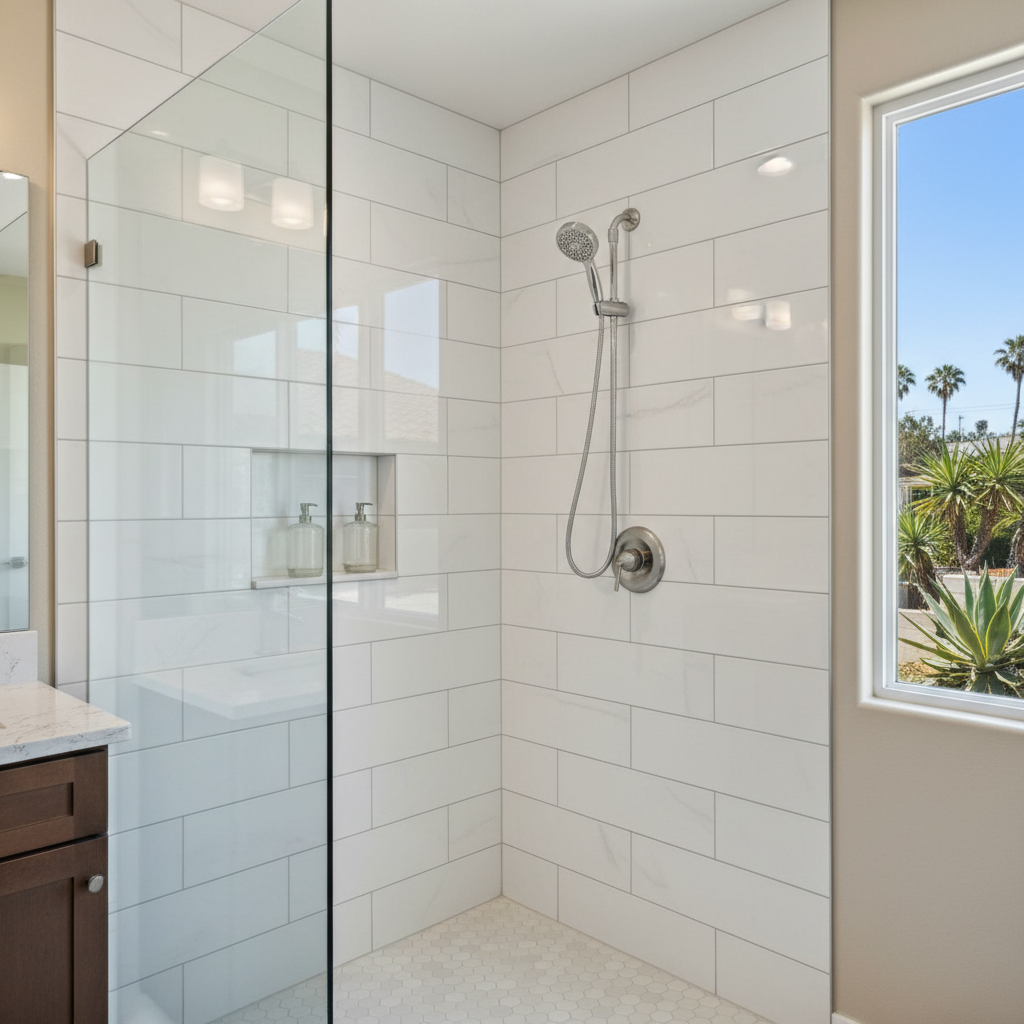
So, you've invested in a brand-new shower, maybe even had El Monte Custom Bathrooms handle the installation. That's a big step towards a more comfortable home, and you want it to last, right? A new shower isn't a 'set it and forget it' kind of deal. A little regular care goes a long way in keeping it looking fresh and preventing bigger headaches down the road.
Extending Your Shower's Lifespan: It's All About Habits
Think of your shower like a car; regular oil changes and good driving habits make it last. For your shower, it's about what you do every day and every week.
- Wipe Down After Every Use: This is probably the single best thing you can do. Grab a squeegee or a microfiber cloth and wipe down the walls and glass door after every shower. It prevents hard water spots and soap scum buildup, which are a real pain to clean once they set in. Our El Monte water, while generally good, still has minerals that'll leave marks if you let it dry.
- Good Ventilation is Key: Always run your exhaust fan during and for at least 15-20 minutes after a shower. If you don't have one, open a window. Moisture is the enemy. It leads to mold, mildew, and can even compromise grout over time. In our warm, humid summers, especially after a marine layer rolls in, proper ventilation is even more critical.
- Use the Right Cleaners: This is huge. Avoid abrasive cleaners, harsh chemicals, or anything with bleach on natural stone, colored grout, or certain fixtures. Stick to pH-neutral cleaners, especially for tile and grout. When in doubt, warm water and a mild dish soap are often enough for daily cleaning. Always test a new cleaner in an inconspicuous spot first.
Regular Maintenance: Your Shower's Check-Up
Beyond the daily wipe-down, there are a few things you should be doing every month or so.
- Deep Clean Grout and Tile: Even with daily wiping, some buildup will happen. Use a dedicated grout cleaner and a soft brush to scrub away any grime. For natural stone, make sure your cleaner is safe for that material.
- Check and Clean Drains: Hair and soap scum are going to build up. Use a drain snake or a hair catcher to prevent clogs. A slow drain isn't just annoying; it can lead to standing water, which isn't good for your shower pan or grout.
- Inspect Caulking and Grout: Look closely at the caulk around the base of your shower, where the walls meet the pan, and around the fixtures. Check your grout lines too. Are there any cracks, discoloration, or areas where it looks like it's pulling away? This is important.
Warning Signs: Don't Ignore These
Your shower will tell you when something's wrong, you just need to know what to look for.
- Persistent Mildew or Mold: If you're cleaning regularly and still seeing mold or mildew, especially on grout or caulk, it could be a sign of a deeper moisture issue or that your ventilation isn't cutting it.
- Cracked or Missing Grout/Caulk: This is a big one. Grout and caulk are your shower's waterproof barrier. If they're compromised, water can seep behind your tiles and into your walls, leading to serious damage like rot or structural issues.
- Slow Draining or Puddling: A drain that's constantly slow, even after you've tried to clear it, might indicate a blockage further down the line. Puddling in the shower pan could mean the pan isn't draining correctly, which is a problem.
- Water Stains Outside the Shower: If you see water stains on your ceiling below the bathroom, on the wall next to the shower, or on the floor outside the shower, you've got a leak. Don't wait on this.
- Musty Odors: A persistent musty smell, even after cleaning, often points to hidden mold or mildew due to a leak or poor ventilation.
When to Call a Professional
Look, I'm all for DIY, but some things are best left to the pros. If you see any of those warning signs, especially cracked grout, caulk issues, or water stains, it's time to call someone like us. Ignoring a leak or compromised waterproofing can turn a small repair into a full-blown bathroom renovation pretty quickly. We're talking about potential damage to your home's structure, which is way more expensive than a timely repair.
Don't try to recaulk over moldy caulk without addressing the underlying issue. Don't ignore a slow drain that keeps coming back. And definitely don't try to fix a shower pan leak yourself unless you really know what you're doing. We've seen too many homeowners in El Monte try to patch things up, only to find out the problem got worse behind the walls. A professional can properly diagnose the issue, make sure the waterproofing is sound, and fix it right the first time. It'll save you money and headaches in the long run.