Making your bathroom accessible isn't just for folks who use wheelchairs. Really, it's about creating a space that works for everyone, whether you're recovering from surgery, dealing with a temporary injury, or just thinking ahead for when you get a little older. Here in El Monte, many of our homes went up in the 50s and 60s, and their bathrooms often weren't built with accessibility in mind. They're usually smaller, with narrow doorways and tight layouts, right?
Before You Start: Planning Your Accessible Bathroom
First things first: think about who'll use the bathroom and what they specifically need. Is it for someone with a walker, a wheelchair, or just someone who needs a bit more stability? This decision guides so much. You'll want to measure your current space super carefully. Are the doorways wide enough? A standard interior door usually measures 28 or 30 inches, but for a wheelchair, you really need at least 32 inches of clear opening. 36 inches is even better. Sometimes, that means widening the door frame, which, let's be honest, isn't a small job.
Consider the layout. Can someone turn around easily? A 60-inch turning radius is the gold standard for wheelchairs. If your bathroom is small, like many you see in the older tracts around Garvey Avenue, hitting that might mean a complete re-think of the layout. Maybe even bumping out a wall if your property allows it. That's definitely a pro-level job.
Think about the budget too. Some changes are pretty inexpensive and easy to DIY, while others are huge renovations. And don't forget about permits. Any time you're moving plumbing fixtures, changing structural elements like widening a doorway in a load-bearing wall, or doing serious electrical work, you'll need to pull permits from the City of El Monte. Skipping that can cause big headaches later on, especially when you go to sell your house.
During the Project: DIY vs. Calling a Pro
Alright, let's break down what you can realistically tackle yourself and when it's time to pick up the phone and call El Monte Custom Bathrooms (or another qualified contractor).
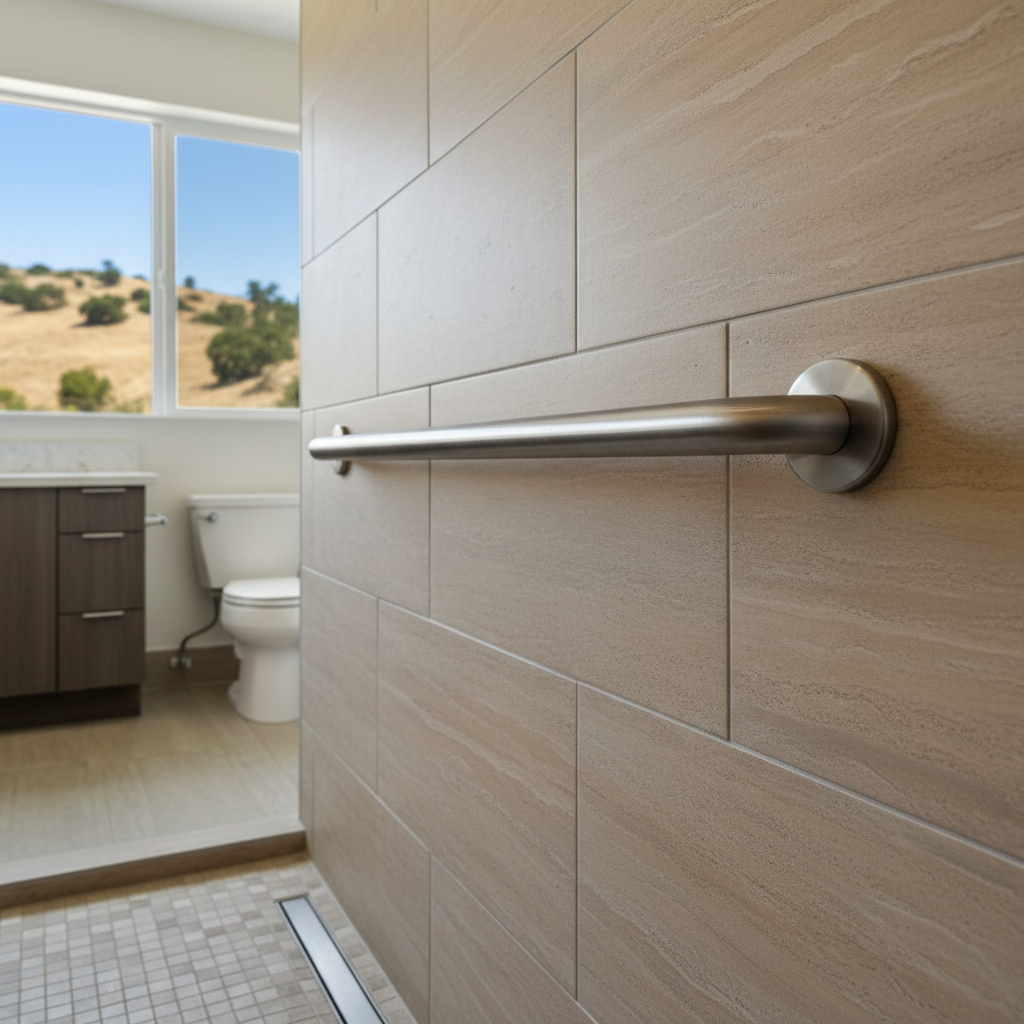
- Grab Bars: This is probably the most common and easiest accessible upgrade. You can install grab bars yourself, but you absolutely have to make sure they're anchored into wall studs, not just drywall. A stud finder will be your best friend here. If you can't hit a stud where you need it, you'll have to open up the wall and install blocking, which is a bit more involved. Don't skimp on this; a poorly installed grab bar is a hazard, not a help.
- Raised Toilet Seats: Another easy one. You can buy attachable raised toilet seats that just sit on your existing bowl. If you want a permanent solution, a comfort-height toilet (17-19 inches tall) is a good investment. Swapping out a toilet is a doable DIY for many homeowners, assuming your plumbing is in good shape.
- Non-Slip Flooring: You can apply non-slip treatments to existing tile, or lay down non-slip mats. If you're replacing the floor, choose a tile with a good coefficient of friction, like a matte finish porcelain or textured vinyl. This is a solid DIY project if you're comfortable with flooring.
- Roll-Under Sinks & Vanities: This usually means taking out a cabinet vanity and putting in a wall-mounted sink or a vanity with open space underneath. Sometimes you can modify an existing vanity by removing doors and shelves, but often the plumbing needs adjusting to make room for the open space. Moving P-traps and supply lines is a job for a plumber unless you're very confident in your skills.
- Roll-In Showers & Walk-In Tubs: These are almost always jobs for a pro. A roll-in shower needs a curbless entry, proper drainage, and often a sloped floor that connects to the main bathroom floor. This involves significant demolition, waterproofing, and tile work. Walk-in tubs require plumbing modifications and often structural considerations because of how heavy they are when full. Don't mess with this yourself; improper waterproofing can lead to huge water damage issues, especially with our occasional heavy rains here in the San Gabriel Valley.
- Widening Doorways & Ramps: As I mentioned, widening a doorway, especially if it's a load-bearing wall, is structural work and requires a permit and expertise. Building a ramp, even a small one, needs to meet specific slope requirements for safety. These are definitely jobs for a general contractor.
After the Project: Maintaining Your Accessible Space
Once your accessible bathroom is done, keep it clear. Don't let clutter pile up on the floor or around the toilet. Make sure you check grab bars periodically for any looseness. If you have a roll-in shower, keep the drain clear of hair and soap scum to prevent standing water. Test any emergency call buttons or systems you might have installed. It's all about keeping the space safe and functional for the long haul.
An accessible bathroom isn't just about meeting codes; it's about making daily life easier and safer for you or your loved ones. It's an investment in comfort and independence. If you're unsure about any part of the process, especially the bigger stuff, don't hesitate to reach out to a local contractor who specializes in this kind of work. We're here to help you get it right.